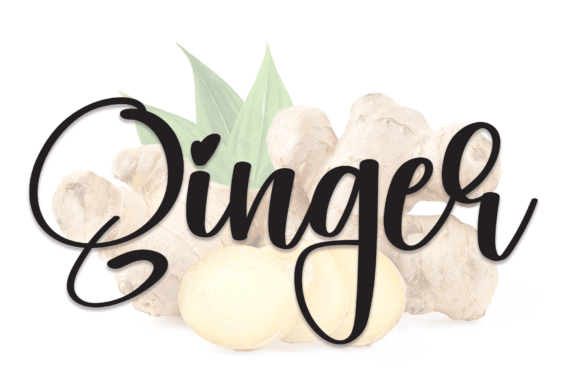
Ginger Font: Elevate Your Brand with a Handwritten Typeface
As a small business owner, you know that every detail counts when it comes to building trust with your customers. From the moment someone sees your Instagram post to the second they unbox their purchase, your visual identity is speaking volumes before you say a word. One of the most powerful tools in your branding toolkit is your choice of typography. If you are looking for a typeface that balances elegance with approachability, Ginger might be exactly what your brand needs. This exquisite handwritten font, available through Script Amp, offers a unique blend of classy calligraphic influences and a contemporary feel that can transform how your business presents itself to the world.
When I first started thinking about rebranding my own venture, I realized that consistency was my biggest hurdle. My social media graphics looked different from my packaging, and my website felt disconnected from my business cards. That is where finding the right font becomes a strategic business decision rather than just an aesthetic one. Ginger is designed to be a true favorite because it maintains a human touch while feeling fresh and modern. It does not scream for attention; instead, it invites your customer in with warmth and sophistication.
Why Personality Matters in Your Brand Identity
In a crowded marketplace, your brand personality is often what sets you apart. A generic sans serif font might be safe, but it rarely tells a story. Ginger, as a premium script font, injects character into your materials. Its strokes mimic the natural flow of a pen, suggesting that there is a real person behind the business. This is crucial for handmade product sellers, boutique owners, and service providers who rely on personal connections.
The mood of Ginger is uplifting yet professional. It avoids the overly swirly or hard-to-read traps that some decorative fonts fall into. Instead, it offers clear letterforms that retain their legibility even when used creatively. Whether you are a café owner designing a new seasonal menu or a beauty entrepreneur launching a new skincare line, this typeface communicates care and attention to detail. It tells your customers that you value quality, which in turn makes them feel valued.
Practical Applications Across Your Business Touchpoints
The versatility of Ginger allows it to shine across various real-world business materials. Here is how you can integrate this creative font into your daily operations to create a cohesive brand experience:
- Logo Design: Use Ginger as the primary element of your logo to establish an immediate emotional connection. It works beautifully for boutiques, bakeries, and coaching businesses where a personal touch is essential.
- Packaging Design: Imagine a handmade candle label or a soap wrapper featuring Ginger. The handwritten style adds an artisanal quality that mass-produced labels simply cannot match.
- Social Media Graphics: For Instagram posts and Pinterest graphics, use Ginger for headlines and quotes. Its contemporary flair stops the scroll without sacrificing readability on mobile screens.
- Customer-Facing Materials: Print thank-you cards, stickers, and flyers using this typeface. A handwritten note style on a thank-you card reinforces the idea that you personally appreciate each customer.
- Web Design: Incorporate Ginger into website banners and hero sections to guide the user's eye and highlight key messages or promotions.
For example, if you run an online shop selling organic teas, using Ginger on your product labels can evoke a sense of tradition and craft. Pairing it with clean, minimalist packaging design creates a high-end look that justifies a premium price point. Similarly, a life coach could use Ginger on their website headers to appear more accessible and empathetic, breaking down the barrier between expert and client.
Strategic Font Pairing for Maximum Impact
While Ginger is stunning on its own, knowing how to pair it with other typefaces is key to maintaining professionalism. A common mistake entrepreneurs make is using too many decorative fonts, which can make a design look cluttered and amateurish. The golden rule of modern typography is contrast.
Since Ginger is an expressive script, it pairs exceptionally well with a clean sans serif font. Think of using a simple geometric sans serif for body text, subheadings, or legal disclaimers on your packaging. This combination ensures that while your headlines capture attention, your detailed information remains easy to read. Alternatively, pairing Ginger with a classic serif font can create a more traditional, editorial look, perfect for magazines, high-end menus, or luxury product descriptions.
Consider the hierarchy of your design. Use Ginger strictly as a display font for short phrases, titles, or accents. Do not use it for long paragraphs or small print, such as ingredients lists or terms of service. In those instances, readability is paramount, and a neutral supporting typeface will serve your customers better. By limiting Ginger to specific roles, you preserve its impact and ensure your brand looks polished.
Readability and Real-World Testing
Before committing to Ginger for your entire brand identity, it is vital to test it in the environments where your customers will actually see it. A font might look gorgeous on a large computer monitor but lose its charm on a small smartphone screen or a tiny product sticker.
Print out samples of your logo and labels at actual size. Hold them at arm's length. Can you read the business name clearly? Show the designs to friends or potential customers and ask for honest feedback. Does the text feel inviting or confusing? Testing helps you avoid costly reprints and ensures that your marketing materials function effectively in the real world. Remember, a beautiful font is only useful if it communicates your message clearly.
Licensing and Commercial Use
Finally, a critical step for any entrepreneur is understanding font licensing. When you download fonts from platforms like Script Amp, always verify the license terms. Using a font for personal projects is different from using it for commercial purposes. If you plan to use Ginger on products you sell, in client work, or within digital templates you distribute, you likely need a commercial license.
Protecting your business means respecting intellectual property rights. Ensure you have the proper permissions to use this design asset across all your channels, from physical merchandise to digital ads. Investing in the correct license gives you peace of mind and protects your brand from legal issues down the road.
Ultimately, choosing the right typeface is an investment in your brand's future. Ginger offers a perfect balance of style and substance, helping you look consistent, professional, and memorable. By integrating this handwritten font thoughtfully into your branding strategy, you can create a visual language that resonates with your audience and helps your small business thrive.